24 Hour Service Hotline:0769-22710188 / 13713357162



1. Product Overview
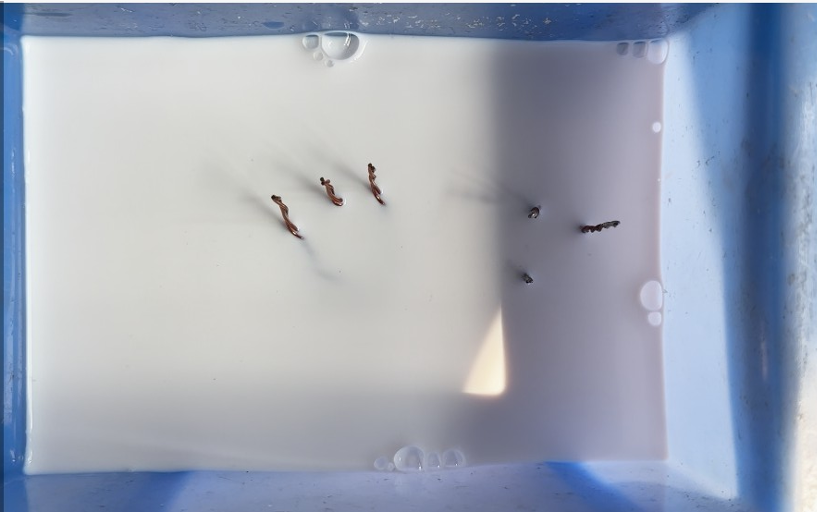
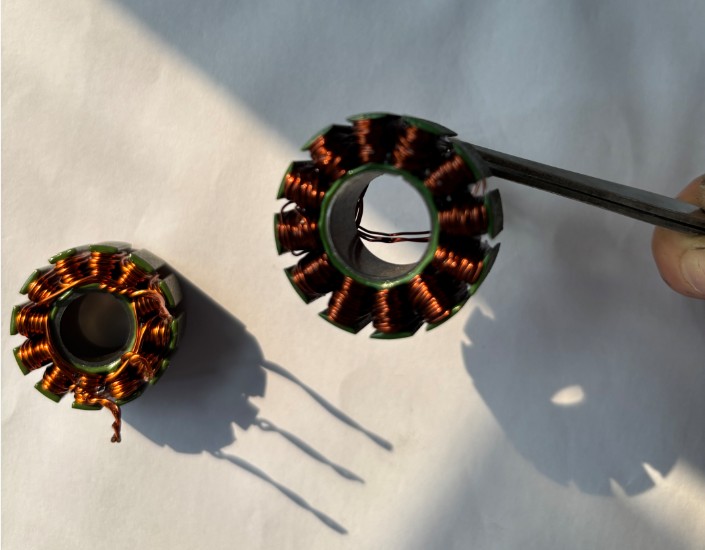
Water-based epoxy insulating paint is a single-component water-based impregnated insulating varnish formulated from modified epoxy resin, latent curing agent, and deionized water. This product is widely suitable for impregnation insulation treatment of various motors and electrical coils
2. Core Advantages
Medium-temperature quick-drying with excellent performance: cures quickly at 100°C~120°C medium-temperature conditions, with strong paint adhesion, high bonding strength, and outstanding electrical insulation performance.
Green, environmentally friendly, safe, and non-toxic: uses water as the solvent, extremely low VOC emissions, no irritating odor, and is non-toxic to humans; The product is non-flammable and non-explosive, significantly reducing fire safety risks during construction and storage.
Easy to operate and easy to clean: dilute directly with water for convenient mixing; After construction, equipment, tools, and containers can be washed directly with clean water, eliminating the hassle of using organic solvents.
Cost-effective and cost-effective: No need for expensive explosion-proof or exhaust gas treatment equipment, and the cost of waste paint/waste liquid treatment is extremely low, resulting in significant economic benefits for overall use.
3. Technical Parameters
Serial number | Project | Unit | Point | ||
1 | Appearance | ==== | White lotion; No mechanical impurities; after curing, the paint film allows small bubbles and a smooth surface | ||
2 | Viscosity (apply #4 cups at 23±2°C). | S | 12±2 | ||
3 | Solid content (110±2°C, 2h). | % | 28%±2 | ||
4 | Surface drying time (100±2°C, 1 hour). | === | Non-sticky | ||
5 | Thick-layer curing capability | === | S1 U1 I3 allows bubbles | ||
6 | PH(23±2℃) | === | 8~9 | ||
7 | Paint film hardness (110±2°C/0.5h, 130±2°C, 1h). | ==== | ≥2H | ||
8 | Bonding strength (helical coil) is normal | N | ≥150 | ||
9 | Volume resistivity is normal | Ω·m | ≥1.0×10¹² | ||
10 | Electrical strength is normal | MV/m | ≥80 | ||
(Note: The above data are typical laboratory values. Actual product indicators may fluctuate slightly depending on batch. Please refer to the factory quality inspection report.) )
4. Construction and baking techniques
1. Workpiece pretreatment
It is recommended to preheat the workpiece to 80°C for baking to thoroughly remove surface grease and moisture. (Note: This step is recommended, but after implementation, it can significantly improve the quality of the dipping paint and the adhesion of the paint film.) )
2. Dilute the paint mix
This product can be used directly or diluted with water. The specific water addition amount should be flexibly adjusted according to the workpiece size and paint application requirements: the larger the workpiece and the higher the paint application requirement, the less water should be added.
3. Paint dipping operation
Continuous immersion or manual ordinary immersion can be used. The dipping time should be controlled between 1~5 minutes, ensuring there are no bubbles on the workpiece surface (the specific time depends on the size and internal structure of the workpiece).
4. Drip paint/drip paint
After soaking the lacquer, remove the workpiece and naturally drain excess paint. If continuous drip immersion equipment is used, please follow the equipment process requirements; For manual operation, paint will naturally drip until there is no paint liquid and continue to drip.
5. Baking and curing
Baking temperature: 100°C ~ 130°C
Keeping warming time: 60 ~ 120 minutes
Process guidance: The specific baking temperature and holding time should be adjusted according to the size and thickness of the components. The larger the component size and the thicker the wall, the more likely the baking temperature or the holding time should be extended to ensure thorough internal curing.
5. Paint management and operation maintenance
1. Daily inventory and addition management
Small quantities and frequent use: The amount of paint in the storage tank should meet daily usage needs, avoiding large amounts of long-term storage. New paint is added daily as needed according to consumption.
Standardized addition: When pausing paint immersion, the paint solution must be sealed and stored in a storage tank. Before each addition of new lacquer, be sure to thoroughly mix the new lacquer in the original drum.
2. Temperature control red line
Workpiece painting: Before painting, the workpiece must be cooled to room temperature; it is strictly forbidden to apply paint directly to high-temperature workpieces.
Paint temperature control: During operation, temperature must be strictly monitored. The immersion tank must not exceed 60°C, and the storage tank must not exceed 50°C to prevent accelerated aging or geling.
3. Viscosity monitoring and adjustment
Daily inspection: Due to moisture evaporation and heat conduction of the workpiece, the viscosity of the paint gradually increases. The viscosity of the paint solution in the dipping tank must be tested daily.
Standard range: At room temperature, the working viscosity should be controlled at 11~13 seconds (apply to -4 cups). The specific setting value can be fine-tuned according to the workpiece size and the required paint film thickness.
Dilution specification: When viscosity is relatively high, ordinary tap water can be used to adjust (it is recommended to conduct a sample test first to confirm that there are no impurities in tap water that could cause paint abnormalities). Avoid adding too much water at once to prevent the paint film from becoming too thin.
Abnormal treatment: If viscosity increases abnormally rapidly, immediately discharge the paint to prevent gel waste.
4. Filtration and cleaning
Impurity filtration: If the paint contains a large amount of impurities, a 120~200 mesh filter should be used for filtration, or the paint should be replaced directly.
System cleaning: Regularly and thoroughly clean the paint trough and pipelines, promptly removing deposited iron filings, dust, and other debris.
6. Storage and safety protection of raw paint
1. Storage standards
Environmental requirements: The original paint should be stored in a dry, well-ventilated indoor environment below 40°C.
Protection requirements: Strictly avoid direct sunlight and never approach heat sources. In winter, anti-freeze measures are required (storage above 5°C is recommended).
Shelf life: Under the above storage conditions, the shelf life is 3 months.
2. Safety protection
This product uses a water-based eco-friendly formula with low toxicity and low odor. However, it is still recommended to wear regular labor protection equipment during construction.
If your skin accidentally comes into contact with the paint, rinse thoroughly with soap and water immediately.
7. ⚠️ Core Considerations (Must Read)
1. Strictly Prohibit Cross-contamination (System Isolation)
First Use: Before using this product for the first time, ensure absolute cleanliness of the paint tank, pipelines, and circulation pump system to thoroughly remove any residual oily substances.
During operation: It is strictly forbidden to mix in any acidic, alkaline, or oily substances to avoid damaging the stability of the aqueous system.
⚠️ Rust Water Prevention: Be especially alert to water pollution! Faucets or iron water pipes that have not been used for a long time contain rust during the first discharge. It is strictly forbidden to add them directly to the paint tank; they must be discharged until the water is clear before use.
2. Baking curing and moisture removal processes
Temperature and time: The baking temperature is based on the actual temperature measured inside the oven. It is recommended to bake at least 100°C (recommended 100°C~130°C), and keep warm for 60~120 minutes. Because water has a high specific heat capacity and high latent heat of vaporization, if moisture is not thoroughly dried, it will seriously damage the motor's electrical insulation performance.
Smooth dehumidification and unobstruction: The oven's dehumidification outlet must be completely unobstructed to ensure that the evaporated water vapor can be quickly expelled from the oven, avoiding a high-humidity "steaming" environment.
3. Drying Quality Assessment
After baking, the workpiece must undergo withstand voltage and insulation resistance tests.
If the test data meets the factory standard, it means the product has been thoroughly dried; If the standards are not met, the baking temperature must be increased or the holding time extended until the retest passes.
4. Detail protection
At the motor lead wire interface, it is recommended to pre-install the heat shrink sleeve for sealing protection to prevent moisture from entering during baking or subsequent environmental moisture, which could cause rust at the weld joints and wires.
Contact us for free sample shipping
Phone: 13712980628
Official website: www.bont.cn
Address: No. 551 Taixin Road, Wanjiang Street, Dongguan City, Guangdong Province



bontzzz
0769-22710188
徐小姐:13712980628
zzz@bont.cn
广东省东莞市万江街道泰新路551号

 WeChat
 Request Samples
 Home
Home