The product has the following features:
1. It can be cured quickly at medium temperature (100°C~120°C), with strong adhesion of paint film and high adhesive strength;
2. Environmental protection and pollution-free, low odor (zero VOC, no co-solvents), directly mixed with water and used as a solvent to take it is convenient and non-toxic to the human body, and the equipment can be cleaned directly with water;
3. Economical, convenient, safe, easy to maintain and pollution-free.
Water-based epoxy insulating paint is suitable for the dipping insulation treatment of various motors and electrical coils.
Citation standards
The provisions contained in the following standards constitute the provisions of this standard by reference in this standard. Subsequent revisions of dated citations shall not apply to this standard, and the latest version of undated citations shall not apply to this standard.
GB/T 1981.1-2007 Electrical insulation paints - Part 1: Definitions and general requirements
GB/T 1981.2-2009 Paints for electrical insulation - Part 2: Test methods
requirements
All products should meet the requirements of Table 1 of this standard, and when the demand side requires performance other than Table 1, it should be specifically stated in the order contract.
| project | unit | Indicators |
| Appearance | / | Part A: white emulsion; Part B: Tawny liquid; There are no mechanical impurities, and the paint film allows small bubbles and smoothness after curing |
| Viscosity (4# cup 23±2°C) | S | 12±2 |
| Solids content (110±2°C, 2h) | % | 28%±2 |
| Surface drying time (100±2°C, 1h) | /
| Non-stick |
| Thick layer curing capability | S1 U1 I3 allows bubbles |
| PH(23±2℃) | 7~9 |
| Paint film hardness (110±2°C/0.5h, 130±2°C, 1h) | ≥2H |
| Bond strength (spiral coil) normal | N | ≥150 |
| Volumetric resistivity (normal) | Ω·m | ≥1.0×10¹² |
| Electrical Strength (Normal) | MV/m | ≥80 |
Test method
1. The 1, 2, 3, 4, 5 and 7 tests of the indicators are carried out in accordance with the provisions of GB/T1981.2-2009 "Electrical Insulation Paint Part 2: Test Methods".
2. The solid content test baking process is 110°C/2h.
3. Volumetric resistivity and electrical strength: The curing conditions of the specimen are 110°C/1h after each dipping paint, and 135°C/3h after the paint film thickness reaches the requirements.
4. Thick layer curing ability experiment: press the original paint press: use directly; Diluted 1:1 with water, the baking condition is 110±2°C/2h
5. Surface drying time: dipped with tinplate or copper sheet, according to 110±2°C/1h, and then judged according to 6.4.1 in GB/T1982.2-2009.
6. The bonding strength is carried out according to Article 6.2.3 Method B of GB/T1982.2-2009, the enameled wire adopts polyester enameled wire, two dipping processes, and the curing conditions are: the first dipping paint is 110°C/1h; The second dipping is 110°C/1h.
Use the process
1. Mix evenly according to the weight ratio of 100:1 before use.
2. Workpiece condition: preheat to 80°C to bake, degrease and dehumidify (recommended but not mandatory).
3. Paint mixing process: use directly or mix water according to the requirements, the specific amount of water is determined according to the size of the workpiece and the amount of paint hanging, the larger the workpiece, the higher the amount of paint, the smaller the amount of water.
4. Paint immersion method: continuous immersion or manual ordinary immersion, dipping time 1-5 minutes, until no bubbles emerge, (the specific time depends on the size of the workpiece).
5. Drip paint: According to the actual situation, no dripping paint can be required
6. Baking process: the baking temperature is: 100°C~130°C; The heat preservation time is 60~120min. The specific baking temperature and holding time depend on the size of the part, and the larger the part, the longer the baking temperature and holding time required.
Paint management
1. The amount of paint in the paint storage tank should be just enough to meet the amount of use, and new paint should be added every day according to the dosage. When the paint is suspended, the paint should be sealed and stored in the paint storage tank, and the new paint in the bucket should be shaken well before each time new paint is added.
2. The paint storage tank and its pipeline structure should be made of stainless steel or treated with epoxy anti-corrosion to avoid rust. It is strictly forbidden to mix oil-based paint in the paint tank and pipeline structure to affect the use.
3. During the dipping process, the temperature of the workpiece is cooled to room temperature, the temperature of the paint in the dipping tank cannot exceed 60 °C, and the temperature of the paint in the paint storage tank cannot exceed 50 °C.
4. During use, due to the volatilization of water and the action of heat during dipping of paint, the viscosity of the paint will increase, and the viscosity of the paint in the paint tank should be checked every day. When the viscosity grows rapidly, the lacquer should be released immediately to avoid geling. If there are more impurities in the paint, filter or replace the new paint with a 120~200 mesh.
5. Workshop viscosity control: The viscosity is adjusted at 11~13S at room temperature (4# cup is coated). The specific viscosity is determined by the size of the workpiece and the thickness of the paint film.
6. The paint in the barrel should be stored in a dry and ventilated room below 40 °C, avoid direct sunlight, and do not approach the heat source. The storage period is 3 months.
Safety
The skin can be washed with soap and water after contact with the paint.
Notes:
1. The first use of this product should ensure the cleanliness of the paint tank and pipeline to avoid the pollution of oily substances and affect the performance of water-based paint. The paint groove and pipeline should be cleaned regularly to remove iron filings and flying dust.
2. It is strictly forbidden to mix acidic, alkaline, oily and other substances to avoid affecting the stability of the system. Special attention should be paid to the entry of water containing rust due to prolonged non-use of faucets or ferrous metal pipes.
3. During the curing process, attention should be paid to temperature and time control, the baking temperature is subject to the actual temperature, and the baking time is determined according to the size of the workpiece. It is recommended to bake at least 100°C, due to the large specific heat of water, it is not easy to dry, and the water not drying will affect the electrical performance of the motor, so the baking temperature is at least 100°C or more to ensure that the water is completely dried.
4. Whether to dry, the workpiece must be tested for voltage resistance and insulation resistance after baking, and the factory index indicates that it has been dried, and the baking temperature must be increased or the baking time must be extended if it cannot be achieved.
5. The outlet of the oven must be smooth to facilitate the discharge of water vapor.
6. It is recommended to use heat shrink sleeves for the lead wire interface to avoid water vapor entering and causing rust on the welding joints and wires.
Inspection rules, markings, packaging, transportation and storage
1. The factory test items are items 1, 2, 3, 4, 5 and 6 in Table 1.
2. The product batch number is the production date of the batch of products.
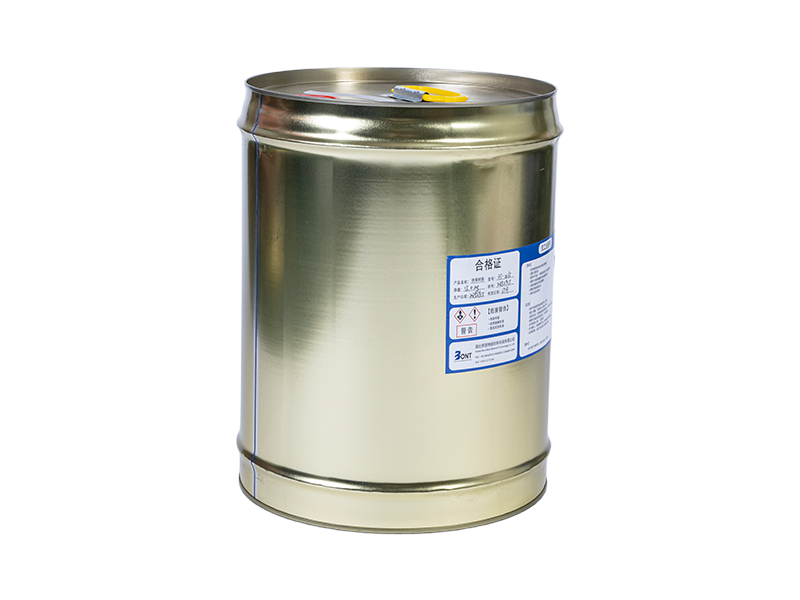
3. The product is packaged in plastic drums of 200KG/drum or 20KG/drum.
4. The storage period of the product is 3 months in a closed container below 30°C.
5. Others should comply with the provisions of GB/T1981.1-2007.








 WeChat
 Request Samples
 Home
Home