24 Hour Service Hotline:0769-22710188 / 13713357162



There are oxides, dust and other dirt on the surface of the welded metal workpiece, which hinder the atomic diffusion between the base metal and the solder. Therefore, it is necessary to remove the oxides and other contaminants to clean the surface and expose the metal substrate. However, the atoms on the surface of the cleaned metal substrate are immediately oxidized in the atmosphere, and the oxidation rate is faster at the welding temperature.
So during the soldering process, flux is added to assist in providing metal surfaces without oxide layers and maintaining these surfaces in an oxide free state until the soldering process is completed with the metal surface.
At the same time, relying on the chemical action of the flux, it combines with the oxide on the surface of the welded metal to form a liquid phase at the welding temperature, causing the metal atoms on the surface of the welded metal to diffuse with the atoms of the molten solder, in order to achieve the purpose of soldering connection.
During the welding process, soldering flux can also promote the flow and diffusion of solder, affecting the balance of solder surface tension in the direction of solder diffusion by reducing surface roughness.
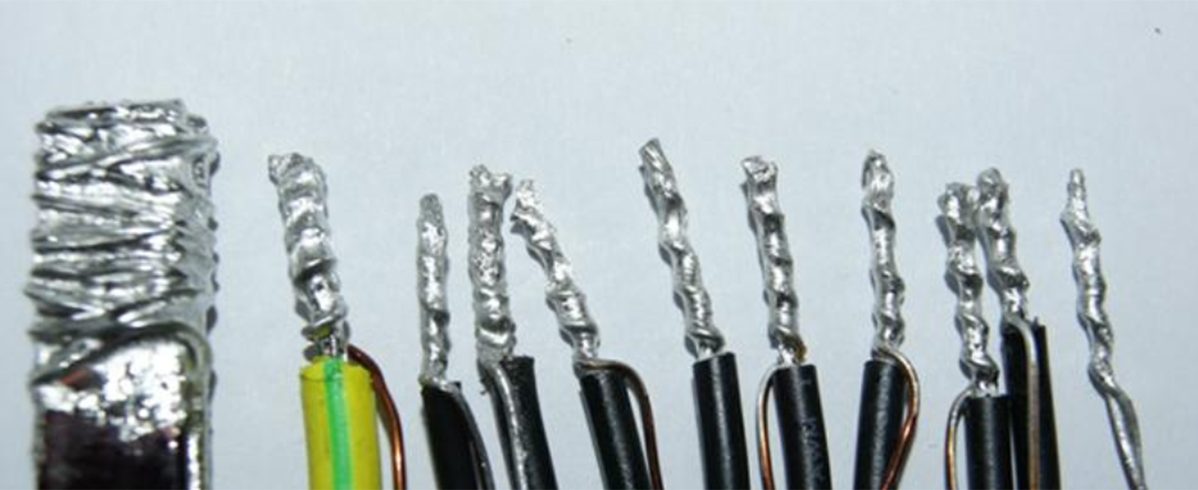
feature
1. Remove the oxide layer on the welding surface
2. Relatively low corrosion rate
3. Low smoke and low odor
4. Good solderability, full and bright solder joints, and good tin penetration
5. Non stick, does not stick to hands after welding, and the welding points are not easy to tip
6. Maintain stability at room temperature
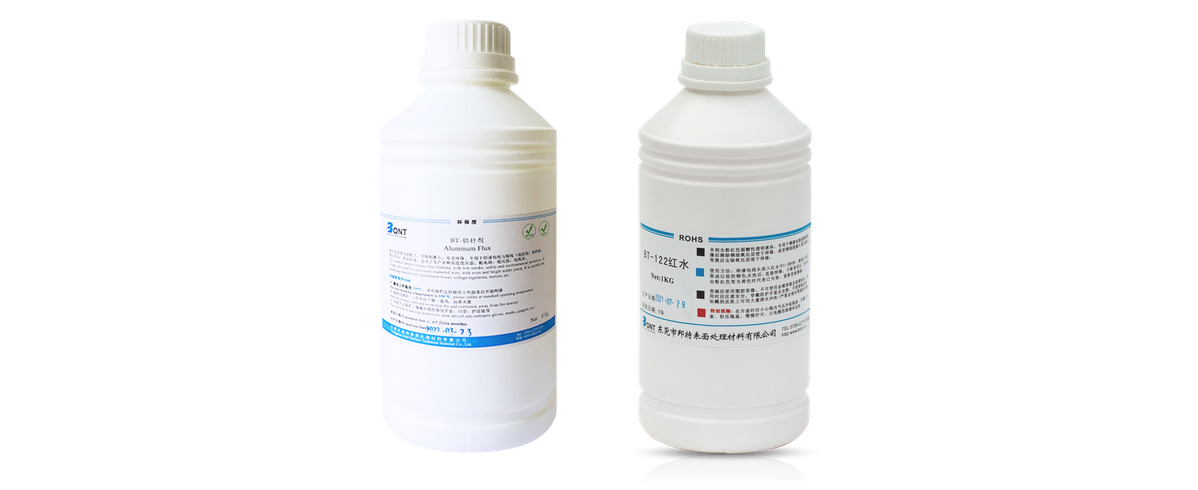
Dongguan Bont Surface Treatment Materials Co., Ltd. provides various types of soldering flux, with main products including BT-705 aluminum soldering flux, BT-122 red water, etc.



bontzzz
0769-22710188
徐小姐:13712980628 / 张先生:13713357162
zzz@bont.cn
广东省东莞市万江街道泰新路551号

 WeChat
 Request Samples
 Home
Home